
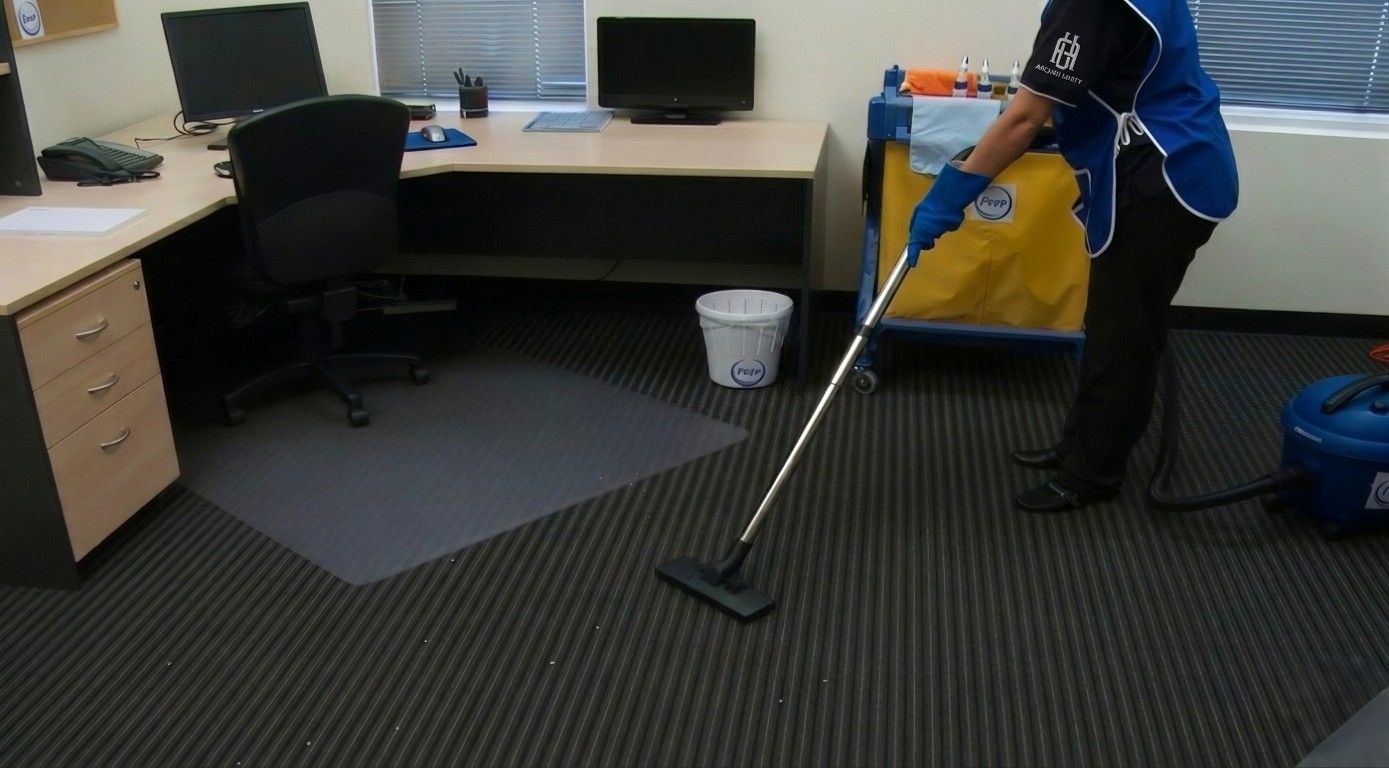
Hybrid work changes when people use an office, but it does not remove the need for a dependable cleaning baseline. Some areas stay busy every day while other rooms are used only for team meetings or scheduled events. A better schedule separates essential building-wide tasks from work that can respond to observed use.
Start with a baseline for shared spaces
Entries, reception, elevators, restrooms, kitchens, and other common routes need a defined service plan even when attendance varies. Set the baseline with the property team using actual soil levels, operating hours, and building requirements. Avoid assuming a floor is clean simply because fewer desks were occupied that day.
Use room function to guide additional service
Meeting rooms, collaboration areas, phone booths, and hot desks may need attention after use or before a scheduled group arrives. Private offices and low-traffic storage areas can follow a different cadence. The scope should make clear what counts as ready for the next group and what occupants must do with personal items before cleaning.
Plan around known attendance peaks
Many teams have predictable in-office days, monthly all-hands meetings, or client events. Share those dates with the cleaning lead early enough to adjust routes or add agreed support. Where attendance data is used, rely on the minimum aggregate information needed for scheduling rather than tracking individual employees.
Example planning matrix
- Every service day: maintain agreed common areas, restrooms, waste points, and visible spill response.
- After room use: reset meeting spaces and shared tables when the booking or use pattern calls for it.
- On a planned cycle: detail lower-traffic rooms and periodic tasks named in the contract.
- When schedules change: review service windows after a move, event, or sustained shift in occupancy.
This is a planning model, not a fixed frequency prescription; the right cadence depends on the building and the agreed scope.
Review, communicate, and refine
Use occupant feedback and repeat inspection findings to identify missed spaces or unrealistic assumptions. Keep a record of what changed and why, and update the cleaning schedule rather than relying on informal requests. Archin Unity's commercial cleaning service can be scoped around a facility's hours and use patterns.
📍 Archin Unity serves clients nationwide with four core facility services:
🏢 Commercial Cleaning | 🪟 Window Cleaning | ❄️ Cold Room Cleaning | 💧 Water Damage Restoration
Need facility services for your business? Contact us for a free quote →